Saskatchewan public health officials are encouraging seniors to get the shingles vaccine because the symptoms can be more severe without the shot.
“I had it (shingles) about three years ago on my side below my arm,” said Gary Sperling, 68-year-old Yorkton resident. “It is very itchy and painful. It felt like a small burn, it’s hard to explain.”
Sperling never received the vaccinations to help prevent shingles, but thankfully for his age his case was milder. It could have been riskier.
Shingles (herpes zoster) is a physical rash that appears on the body around the face and sides of the torso. The varicella-zoster virus, which creates shingles, is produced from the chickenpox virus, varicella.
The milder cases usually result in a painful burn-like feeling or tingling which usually lessons the more it heals. However, in more severe cases the disease can cause nerve pain known as post-herpetic neuralgia (PHN) which is long term.
As well as causing vision loss, (if the rash is closer to the eyes) nerve damage and infection, and skin scarring.
Shingles itself can be treated with antibiotics that is covered under health insurance, though the more severe cases will need hospitalization treatments.
According to a Saskatchewan government website called Immunize Canada, 130,000 people in Canada get shingles every year.
Shingles is more common in ages over fifty, with two out of three cases occurring the age group itself. Typically, 10% of people over the age of 65 can be hospitalized when they develop shingles.
“We don’t necessarily give vaccines to anyone around eighteen (or younger than 50) unless absolutely necessary,” said Paige Klarer, a nurse at Population and Public Health in Regina who specified the accepted age groups for the shingles vaccines.
Meaning if they have a high amount of stress, or a very weak immune system than certain pharmacies and public health offices are more likely to allow you to have the shingles vaccines if you are under the age acceptation.
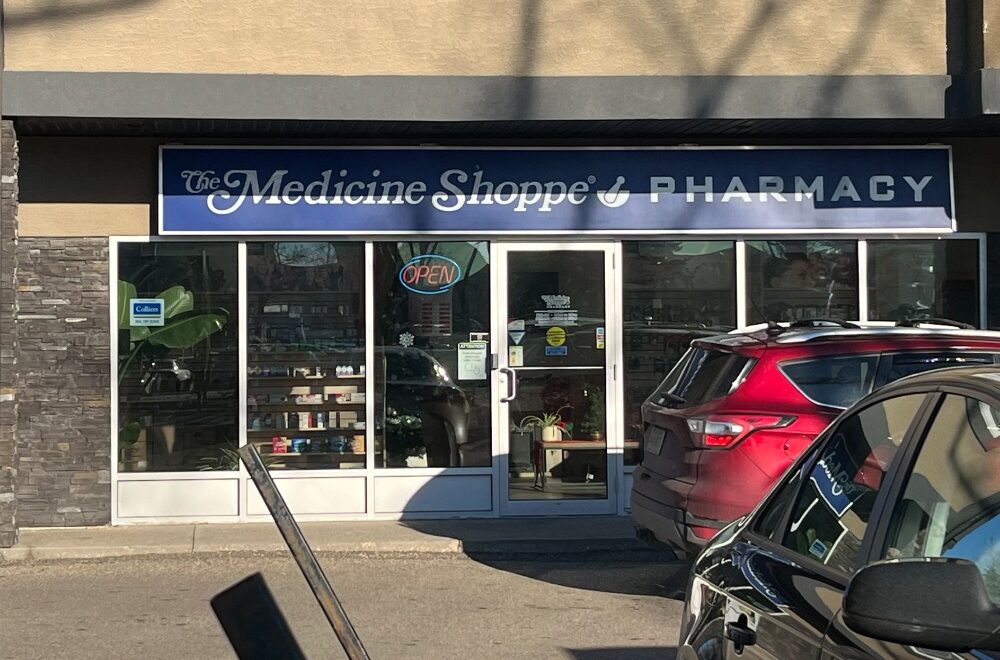
There are two vaccines that must be taken to prevent the risk of shingles. According to The Medicine Shoppe owner/pharmacist Matt Manz, the two vaccinations are around $100 – $140 each (depending on locations they may be more or less).
They are commonly paid out-of-pocket unless the patient has a private insurance company that will accept them. And that the vaccinations itself can stop the risk by 80 per cent.
Though, shingles itself isn’t contagious the virus, varicella-zoster, is.
Typically, the virus is spread by either inhaling the contaminated air someone with shingles has coughed or sneezed in. Or by direct contact from touching the excess liquid from the blisters or rash.
People who have not had chickenpox (varicella) are the most susceptible to catching the varicella-zoster virus. Even then they won’t develop shingles itself they will develop the chickenpox virus first, which can then turn into shingles later on.