For 10 years, alcohol made Alice feel more comfortable in her skin.
The recovered alcoholic, who asked not to be identified by her real name in accordance with most recovery programs, grew up with what she described as a normal life: good grades, stable job, extra income, what looked perfect from the outside. But inside, a piece felt missing.
Alcohol became her source of dependency and that comfort became the centre of her life.
“I just knew that I felt better when I was drinking,” Alice said. “But over time, it only got worse. I kept drinking, and eventually, that became all that mattered is when I’m going to have a drink again.”
By the final years of her addiction, alcohol became part of her daily routine. Her world became smaller and quieter. She spent more time alone so she could drink without questions or judgment.
“You know, to the outside person, life was fine,” Alice said. “I had a home, I had friends but that wasn’t the case inside I was very sick. It was very lonely and depressing. When I wasn’t drinking, I was anxious and afraid a lot.”
After feeling mentally and physically unwell for some time, she went to a walk-in clinic in Regina but was looked down upon by a doctor.
“I told the doctor I drank a lot, and I am afraid it is making me sick,” she said. “He started accusing me of being a dirty drunk.”
Feeling judged and misunderstood, she left the clinic and sat in her car.
“I had a choice at that moment, and the choice was to turn right, go home, text work, and say, the doctor said to go home, and then I continue to drink. Or I could go to work, talk to someone about what was going on, and go from there,” Alice said.
She chose help.
She returned to her workplace and spoke to her boss.
“I said, ‘I drink a lot, and I am very afraid, and I don’t know what to do,” she said.
Instead of judgment, she received support. He gave her a quiet office and time to call her family doctor and explore options.
“That was the turning point,” she said. “I reached out and someone helped me.”
There are various groups that offer help with Alcoholics Anonymous (AA) being the most prominent. Through peer support it brings together people who struggle with alcohol and encourages them to share their experiences in a structured group setting.
For people struggling with addiction, support and resources are available through local recovery groups and community services. Meetings in Regina.
Being able to have a community marked the beginning of Alice’s recovery. In 2017, she stopped drinking and entered a 12-step recovery program. She discovered that recovery was far more than just quitting alcohol.
“If I hadn’t socialized with people, it might have taken me a lot longer to get to where I am, and I’m very grateful for that,” she said.
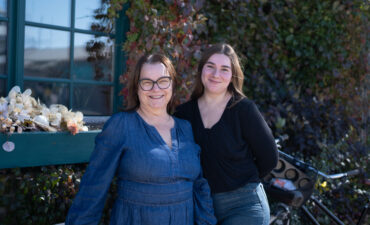
Her sponsor, who has been sober for 39 years, and asked not to be identified by her real name, said recovery is about responsibility and personal change.
Hannah described reaching her own breaking point decades ago, when she felt she had only two choices: continue drinking or seek help through a 12-step program.
“I couldn’t live the way I had been living anymore,” Hannah said. “I had two choices, I could either kill myself or give AA a try.”
Hannah has completed the 12 Steps six times and now lives in what she describes as Steps 10,11, and 12.
Describing how far Alice has come, Hannah said, “It is a delight to see her mature. To watch her attitude change from blaming others to taking responsibility for her life”.
Today, Alice describes her life as “night and day” compared to before recovery. One of her strongest motivations is her son.
“I want to be the best person I can be for him,” Alice said. “And I want to represent recovery in the best way I can.”
She credits her recovery community and sponsor for helping her through her challenges.
Now, she focuses on helping others who are struggling with addiction by sharing her story.
“Asking for help can be terrifying,” Alice said. “It is probably the scariest thing I have ever done in my life, but it is absolutely the most worth-it thing I have ever done.”
For those unsure where to begin, she encourages reaching out.
Social media has become a space where people share recovery journeys and encourage others to seek help.
Looking ahead, she hopes for health, happiness, and the ability to help others.
Featured image: A “one day at a time” recovery chip used as a symbolic image for this story. The camel represents getting through 24 hours without a drink.
This story was re-edited and republished on April 1, 2026.