Missing a bus in Regina does not mean waiting just a few minutes, it means losing an hour or sometimes an important meeting.
It can be totally disruptive. This is what many students, shift workers, and low-income residents face when dealing with City of Regina Transit.
If you miss one bus, there is often no backup option. You have to wait, and wait, and wait. Unlike larger cities, where the bus runs every 10 to 15 minutes, many routes in Regina operate every 30 to 60 minutes, with even less frequent service on evenings and weekends.
Daniel Adeniyi shared his frustration on a cold winter evening after being forced to wait nearly 30 minutes for a bus.
“One day, I went out for groceries and missed the bus by just 30 seconds. I had to wait for the next one, which took about 30 minutes. At first, it was really frustrating, but now I’ve learned to live with it,” he said.
For a small city that is meant to have a very accessible and convenient bus system, the Regina bus system has failed the people. A good system does not need millions of populations to be functional. It needs consistency enough that missing one bus does not change an entire schedule.
Despite the inefficiency, the Regina City Council still debates on cutting the budget for active transportation, removing routes 15 Heritage, 16 Lakeridge-Hawkstone and 17 Maple Ridge from the transit line, and no bus service on statutory holidays. The reduction of cutting $12.15 million out of the $49 million budget for transit will significantly worsen reliability if implemented.
This all contradicts The City of Regina Transit guidelines which say, “Regina Transit is committed to providing safe, reliable, accessible and sustainable service.” If transit is meant to be reliable and accessible, then allowing this massive budget cuts undermines the goal.

Cutting 24.5 per cent of the transit budget would reduce staffing, and shorten routes. For example, Route 17 Maple Ridge does not run in Rochdale crossing at Lakewood and runs once an hour on nearby street. Such cuts will negatively affect residents who rely on public transit in that area.
Advocacy groups such as Regina Public Interest Research Group (RPIRG) , have come out to talk and vote against the budget of cutting transportation.
“RPIRG urges City Council to vote NO on harmful service cuts,” RPIRG said in their social media post. “A thriving Regina invests in transit, culture and community—not austerity that harms those with the least.”
For someone trying to get to an evening class, work, or medical appointment, that wait time can have real consequences. People without cars must carefully calculate their movements around bus schedules or shift workers finishing late at night may face long waits in the cold. It would then lead to being forced to pay for expenses that could be avoided.
Personal experiences from riders tell a consistent story of planning life around bus schedules.
Reliable transit benefits everyone, it brings access. Right now, Regina’s system works best for people who do not depend on it.
For everyone else, missing one bus can mean missing out on work, school, or healthcare. If the city continues with significant transit reductions, it will fail the people who need it the most.
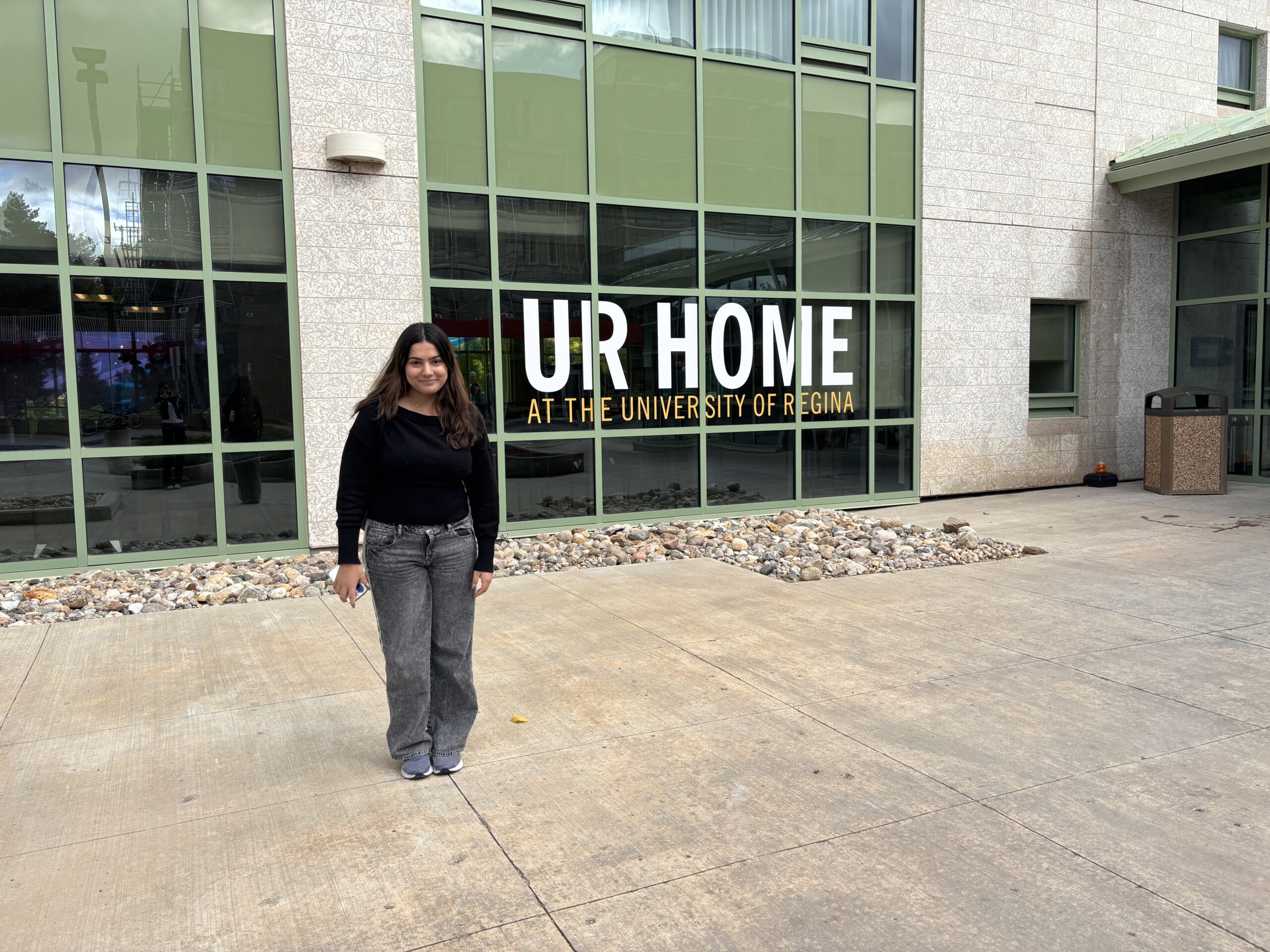
Featured Image: Deborah Adedayo