On Feb. 22, 2026, chaos broke out after cartel leader and drug lord Nemesio Oseguera Cervantes, also known as “El Mencho,” was killed during a military operation.
University of Regina students Georgia Nikiforou and Kaitlyn Peachey flew from Regina, Sask., to Puerto Vallarta, to celebrate each other’s birthdays.
They were staying at a hotel named Hacienda Vallarta Playa Las Glorias when the violence began.
“There were threats made by cartel members to enter our hotel. Other guests had heard gunshots outside of the hotel,” said Peachey.
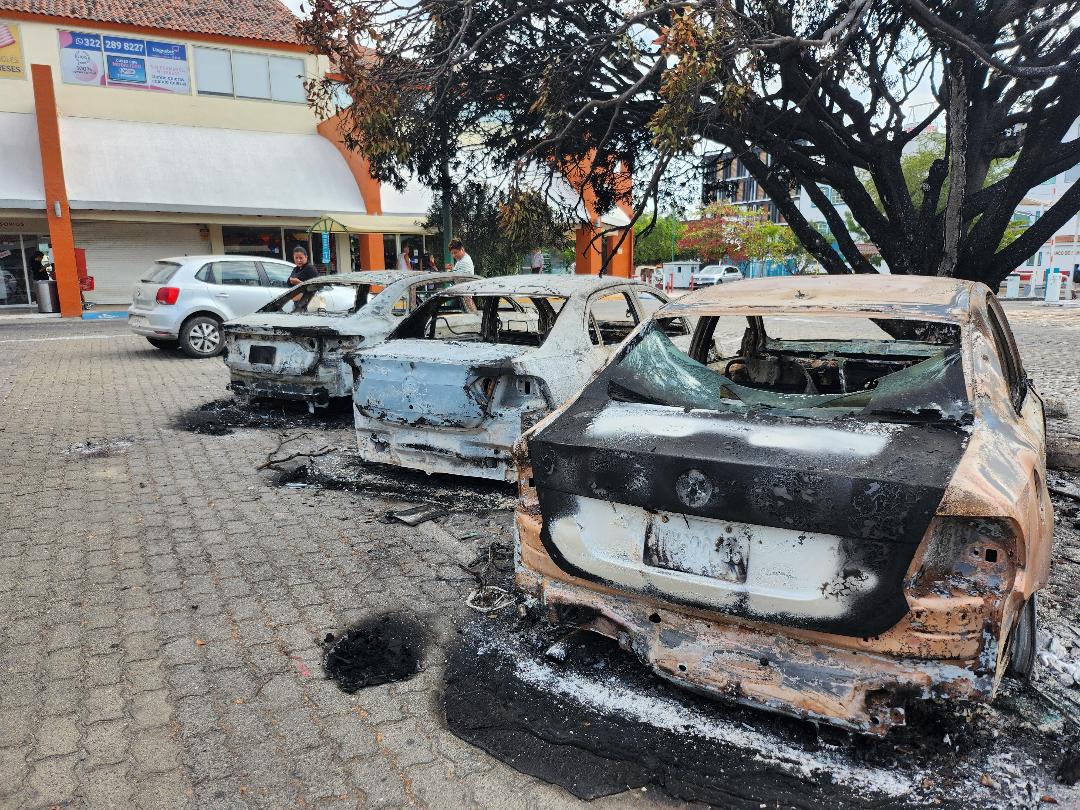
Following El Mencho’s death, the Jalisco New Generation Cartel (CJNG) responded with violence. They hijacked cars, set fire to buildings, and blocked highways.
The two were unaware of what was happening. They woke up to silence, an empty street, army helicopters overhead, burned cars and buildings.
At first, they didn’t realise how serious the situation was until they noticed the chains securing the hotel entrance gate.
They spent the next two days inside the hotel, wondering when it would be safe to leave.
The students said they were unsure whether the hotel had any emergency plans prepared for this situation and they initially struggled to understand what was happening.
Nikiforou and Peachey received much of the information on the situation through Reddit and news articles shared by family and friends back home in Regina.
“People back home were getting the information before we did,” said Peachey.
They were advised to stay quiet and turn off all lights in the hotel because the hotel was receiving break-in threats from the cartel.
“I felt unsafe during the night as gunshots could be heard from far away,” said Nikiforou.
Though the situation felt uncertain, they had to leave the hotel during the next two days to get food.
For safety, they shared locations with each other and with family.
They said the hotel staff were helpful with identifying which grocery stores were open and what areas they must avoid.
On Feb. 23, while walking on a mostly empty street, they noticed a motorcycle repeatedly passing by.
“We decided to go back to the hotel and practically ran,” said Peachey.
Nikiforou also recalled hearing gunshots from a distance.
“It was intimidating walking through the streets of Vallarta and a bit frightening,” she said.
The hotel staff and the Canadian government, as well as Air Canada, encouraged Canadian tourists to stay indoors as much as they could.
On Feb. 24, the situation began to calm down and residents started to feel safe going outside after Mexican authorities and the Mexican military made multiple arrests of suspected cartel members and removed road blockades.
“I realised that the danger had passed when residents of Mexico were out and about again,” said Nikiforou.
Unlike other tourists, they did not have a difficult time with travel plans. They were able to leave without a delay because of their domestic layover in Mexico City.
Although their experiences flying back home were different, they eventually made it safely back to Regina.
Peachey said she was placed on standby after landing in Calgary,Alta., for a flight connected to Regina, but Nikiforou had already boarded their flight to Regina.
“I left the situation in Mexico only to be met by more uncertainty in Canada,” she said.
Both students believe that airlines need to improve their support for passengers during emergencies abroad.
They said airlines should address the situation and provide support to travellers as quickly as possible, rather than leaving them confused and uncertain about returning home safely.
“The most difficult part of this experience was composing myself throughout the events that were occurring,” said Nikiforou.