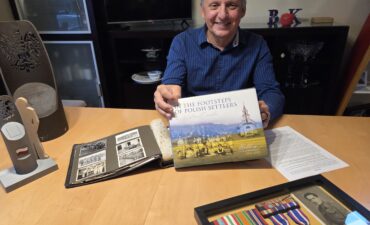
James Froh said a support group changed his life after a prostate cancer diagnosis in 2011, and he is encouraging men to be more proactive about their health.
“People are left to their own devices to find support, and it’s unfortunate because it doesn’t have to be so hard,” said Froh.
Newly diagnosed men are missing out on direct support pathways, and that leads them to face their diagnosis alone.
Support groups are needed to get men to open up, said Froh, Executive Director for the Prostate Cancer Support Regina group.
“You can work with somebody for years and not know… men don’t necessarily want to hear that,” he said.
“So we have to provide safe places for guys to feel that there’s no pressure.”
Every November, men grow moustaches for awareness and to fundraise money for men’s health. This opens the conversation up, but sometimes the meaning of Movember is lost behind the fun of it all.
“We’re forecasted to have 840 men diagnosed [with prostate cancer] in Saskatchewan. It’s more than two a day, every day,” said Froh.
To tackle numbers like those, Saskatchewan relies on a network of campaigns instead of a single one.
From long-time corporate donors like Virtus Group to Saskatchewan Junior Hockey League (SJHL) teams rallying fans province-wide, these efforts bring energy to a men’s mental and physical health awareness that can otherwise feel distant.
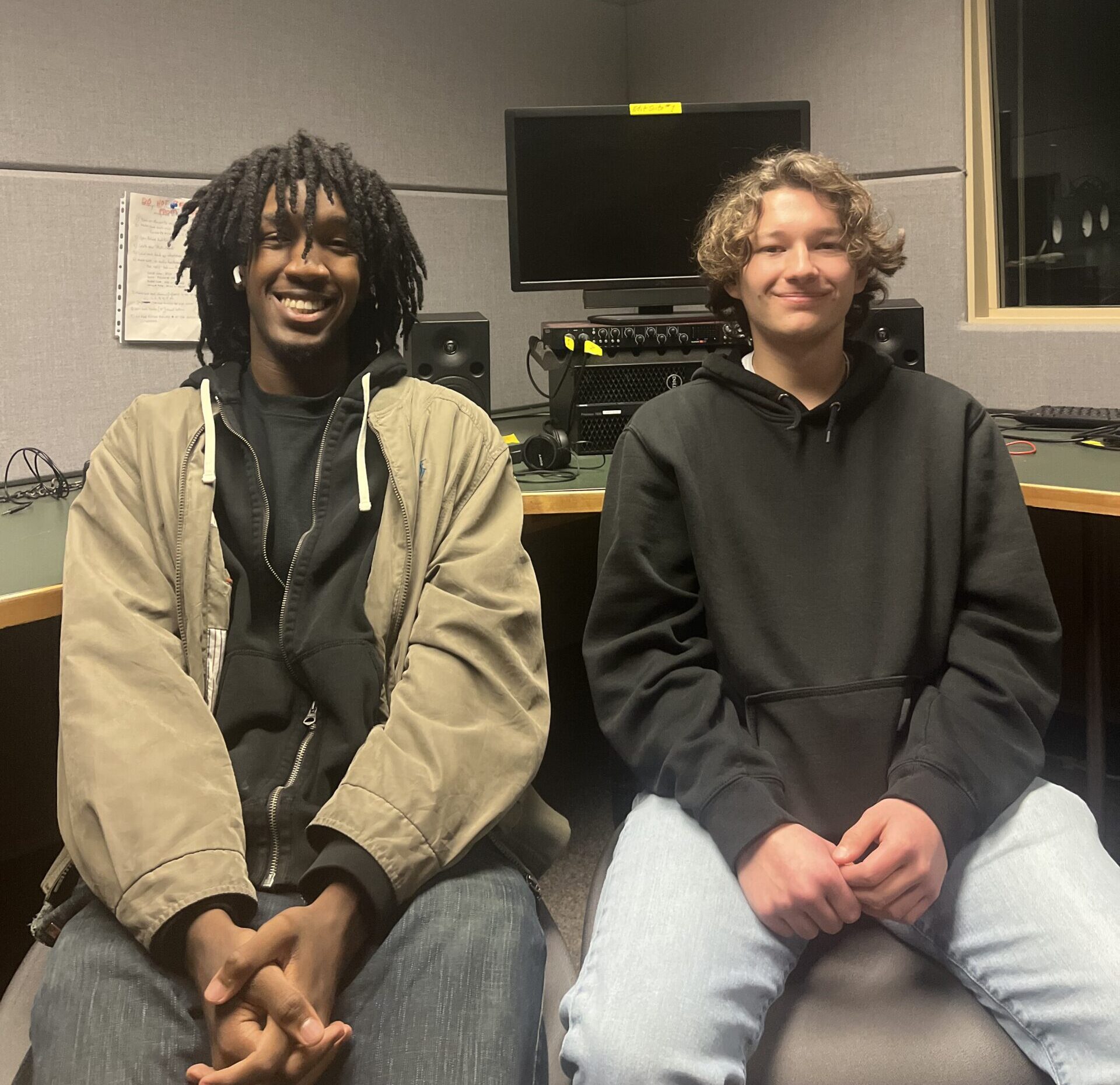
For second-year University of Regina students Lincoln Ruecker and Issa Abdullahi, the iconic Movember mustache is often viewed as a fleeting social media trend rather than a deep-rooted health movement.
“Most people just want to grow one anyways, so they’re just doing it without actually knowing the message,” said Ruecker.
“I think it kind of loses its message after a bit,” added Abdullahi.
Niamh Hickey, a local first-year student, admits she didn’t initially associate the month with a health fundraiser at all, viewing it instead as a fun tradition “for the boys.”
But she points out that the viral nature of the trend can actually spark curiosity, driving people to go online, search the hashtag, and finally stumble upon the real stories underneath.
Hickey also notes that for a lot of men, opening up doesn’t often look like a serious sit-down chat, it hides behind sarcasm and jokes.
“I know boys who only talk through jokes and would only be able to laugh about that,” Hickey said, “and I think by removing humor from the conversation, you’re removing a lot of men.”
The Movember movement started more than two decades ago with the founders wanting to start a “serious conversation about men’s health that no one else was having.”
Movember Canada brings in millions of dollars nationally, reaching $22.8 million in 2025, with the organization saying nearly 80% of funds raised going to men’s health projects.
Featured Image: Students Lincoln Ruecker and Issa Abdullahi, taken by Rayna Germann.