As reading week arrives at the University of Regina (U of R) and midterm season slows, stress and anxiety about school remain prevalent for two students on campus.
Czarina Pagador, a second-year politics and international studies student, feels the heavy weight of midterms. Over the past few weeks, she had three midterms in three different classes: French, Indigenous health studies and social research methods.
Pagador said she was burnt out by the time she prepared for her Indigenous health studies midterm; she was unsure how to prepare while thinking about her French and social research methods exams later that week.
“I kind of just neglected one or the other and tried to focus on one midterm that is worth more,” said Pagador.
She felt that it led her to push everything away to the side by sacrificing her social life and isolating herself. She noticed her sleeping and eating habits had changed since the start of midterm.
“I would normally eat two meals a day. Mostly it became one [meal] midday and then sleep, sleep average is three to four hours per day,” she said.
A second-year police studies student, who asked to be anonymous, faced the same heavy workload with three midterms and essays due from the past few weeks. She experienced signs of burnout with binge eating and procrastination as the workload slowly piled up on her.
“Yes, definitely, ‘cause with all the essays, they’re all due at the same time, not at the same day, but at the same week,” she said.
Seasonal depression is a huge factor when midterm rolls around for students on campus. As the days grow shorter and natural sunlight decreases, students are vulnerable to the weight of academic stress, anxiety and lifestyle changes. Seasonal depression heavily fuels procrastination which anonymous police studies students have experienced so far.
Reading week is a scheduled mid-semester break in universities where classes and lectures are paused. The purpose of reading week is for students to catch up on coursework and prepare for the upcoming final projects or tests, and it acts as a mental health break to prevent academic burnout.
Pagador plans to split the single-week break evenly between studying and catching up on work and resting to stay productive and not burn out by the end. She plans to organize some of her days to get her remaining work done and the other half as a break.
“Just go out, spend time with family and friends, and not just think about midterms,” said Pagador.
The anonymous student echoes the same sentiment of balancing out the week between catching up on schoolwork and enjoying her break as much as possible.
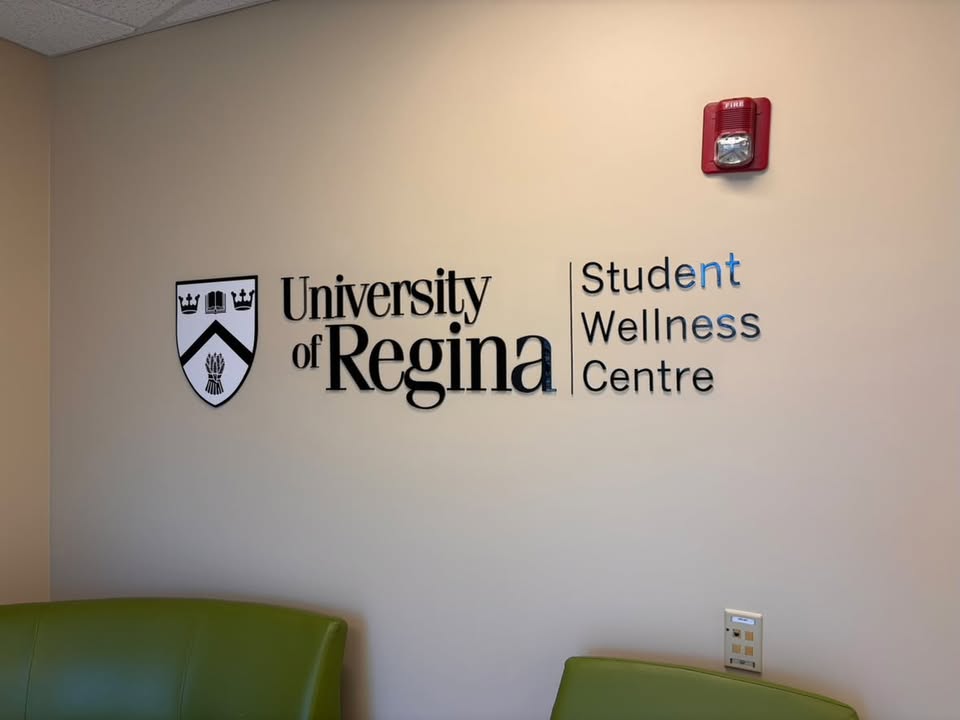
The U of R provides Student Mental Health services located at 119 Paskwāw Tower, offered with no extra fees to registered students, yet despite it being provided, both students have never gone to the Student Wellness Centre.
“If I couldn’t focus on anything, my social life is already at its lowest point, like isolating myself, not eating or sleeping properly, or just not being the best version of myself,” said Pagador, who plans to use the services if she ever feels herself reach the low points.
The anonymous student said that if her best friend couldn’t handle her anymore or if she was not physically with her at the time, she would consider the services in the future.