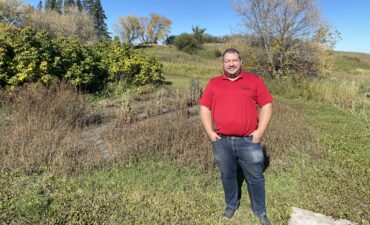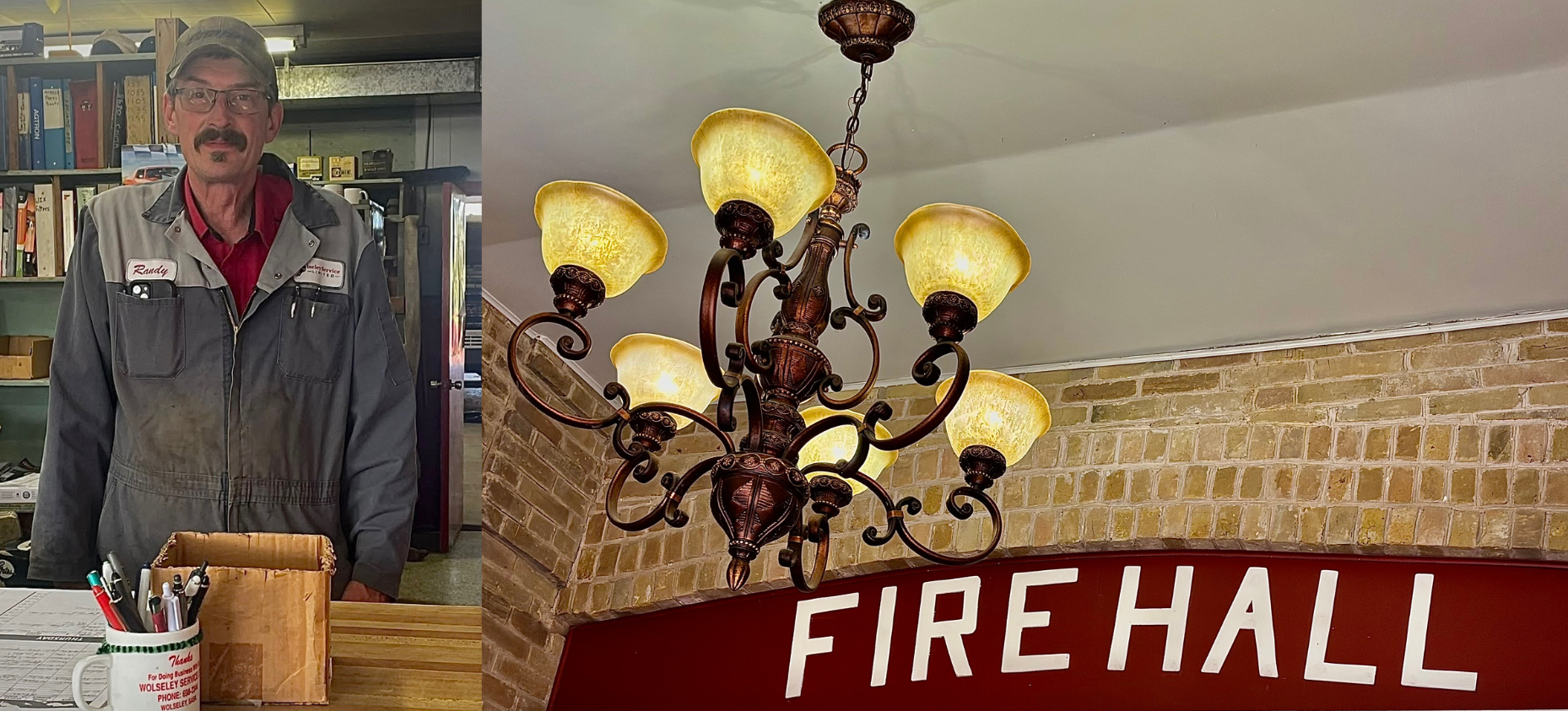
Randy Quintyn, the current fire chief in Wolseley
From wagon-pulling horses to a freight-liner truck valued at nearly $1 million, Wolseley’s fire department has evolved over the last century. Even in a town with under 1,000 people, significant fires happen.
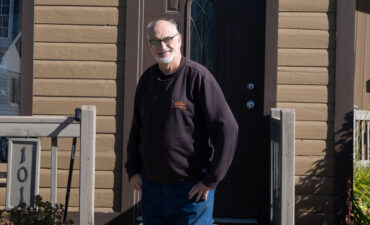
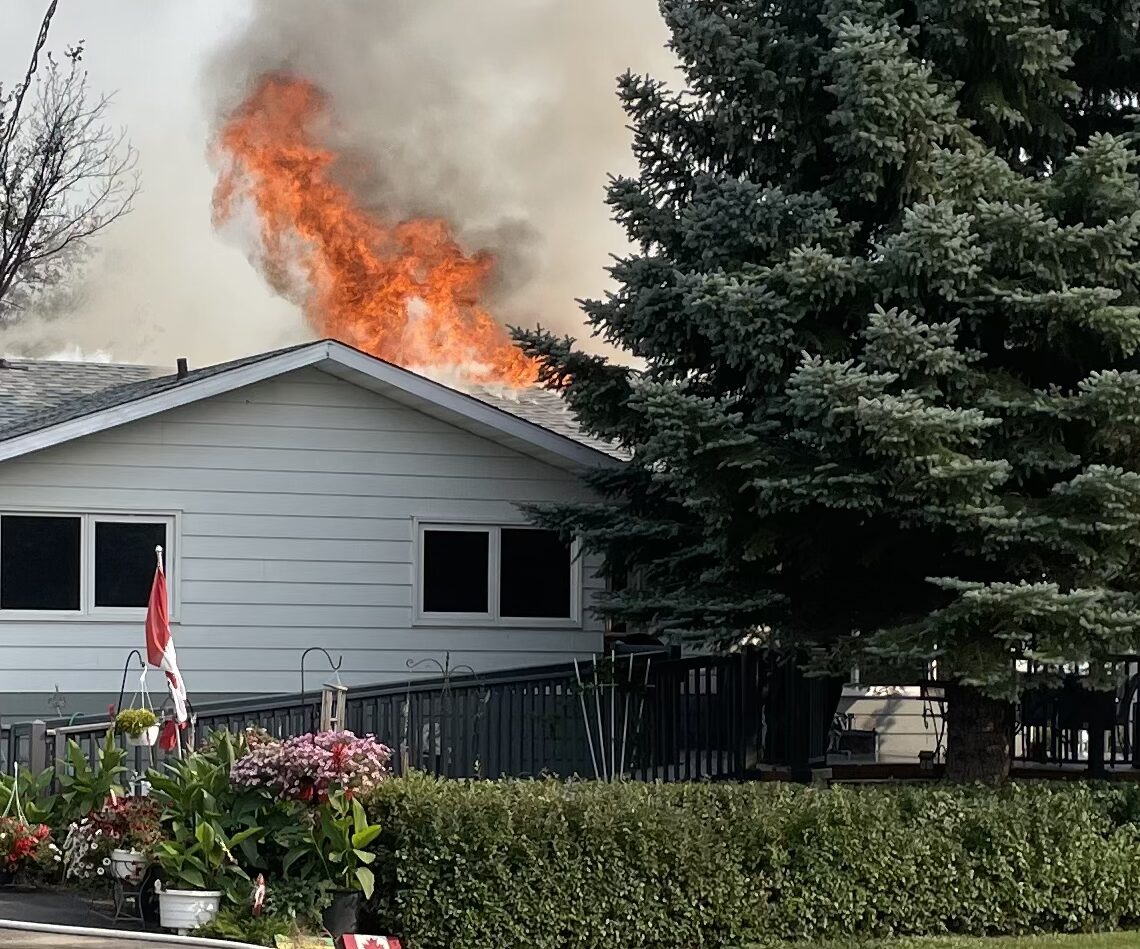
“Three years ago, we lost our house in town here,” said Gerald Hill, the current mayor of Wolseley. Hill said the town’s volunteer fire department was on the scene.
“They were there for probably six hours. They protected the neighbours and controlled it to the point where it didn’t totally burn to the ground, but it was a total loss,” Hill said.
This had a big impact on the community. “It really was a big deal. I remember that day so well,” said Stephen Scriver, the local historian. “I mean, the mayor’s house burned down!” he added.
“We’ve had big fires in this town,” Scriver said, noting a fire that caused an entire block to go down on Front Street in 1906. There was another fire in 1965 where half a block went down, including a three-story apartment building.
“In the days of the wood stove, fires were pretty common. We didn’t have the technology to keep things safe,” said Scriver.
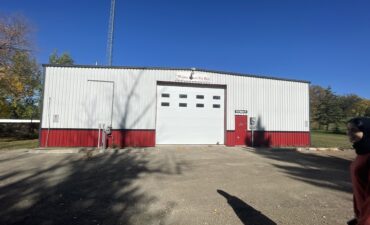
Scriver said the fire hall was previously located in what is now town hall. In those days, the ringing of a bell would signal that horses were needed at town hall. The horses would arrive pulling a wagon behind them, and firefighters used what was called a chemical engine.
“That was like those old experiments where you’d put baking soda with vinegar and it would blow. It would cause pressure which would push water out through the hose,” said Scriver.
Firefighting technology in Wolseley has come a long way since those days. Hill said that the town and the RM of Wolseley shared the cost of a $450,000 freight-liner truck about six years ago.
“With the cost of inflation and that sort of stuff, that truck has pretty well doubled. We’re looking at just under a million dollars for that vehicle now,” said Hill.
The town and RM also recently purchased a rapid response truck, used for fighting field fires.
“It’s a one-ton with a smaller tank that they can go out in the field with, so they don’t have to take the big trucks out there. I think we currently have six units,” Hill said.
This versatile range of vehicles is important, because Hill said that the department is often first on the scene at nearby highway calls.
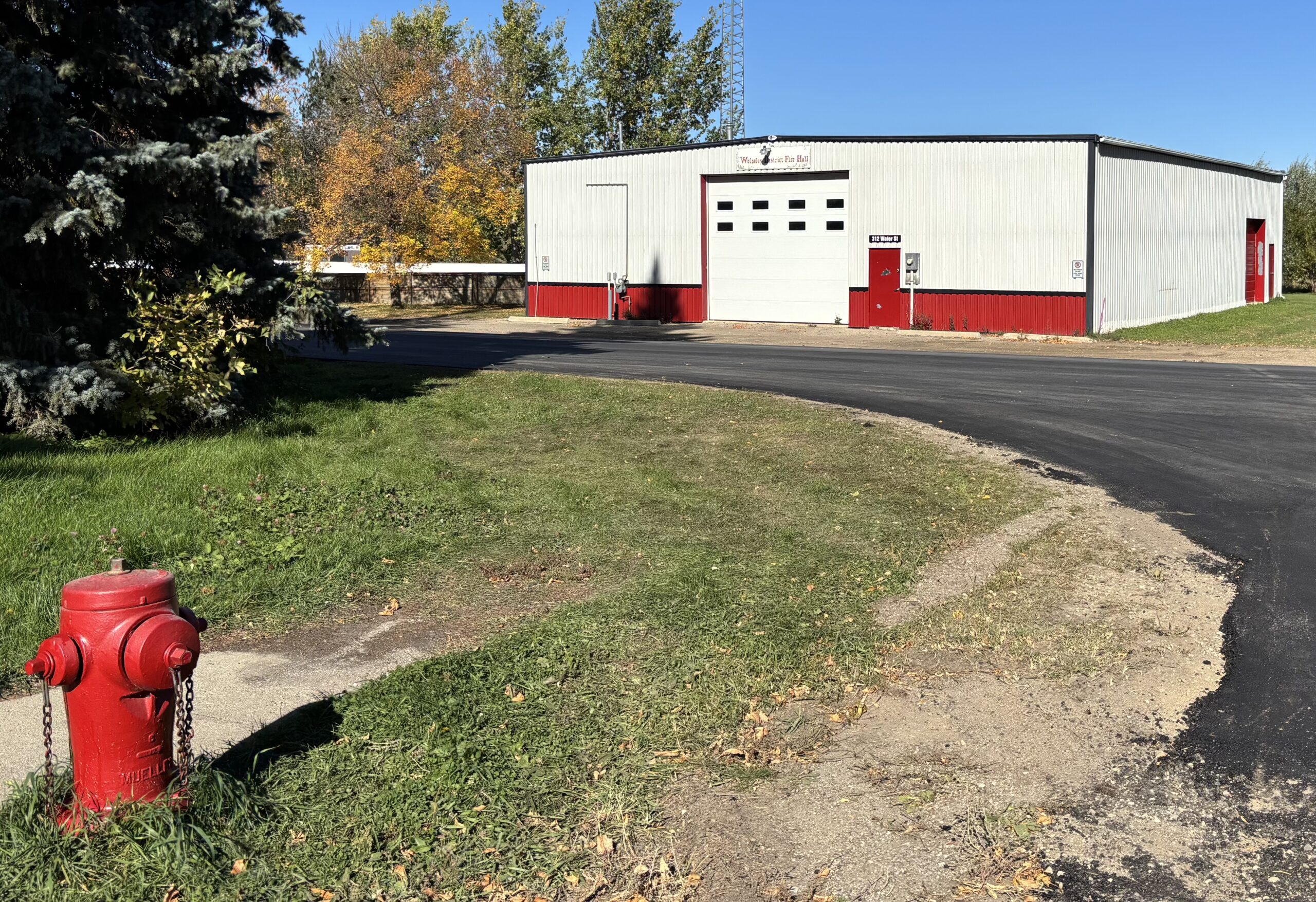
Scriver said that in the early days of Wolseley, one of the fire chiefs additionally served as the town’s cop and tax collector. Being the fire chief is still not a full-time position in the present day.
Randy Quintyn, the current Wolseley fire chief, also runs an auto repair shop in town. “It’s challenging, trying to run a business and a fire department,” said Quintyn.
Quintyn has been involved with the department for 41 years, including 15 as deputy chief and six as chief.
He said there are currently about 18 volunteers at the department, with experience levels ranging from 5-40+ years.
As chief, Quintyn is involved in all operations. “I’m at the hall every time we get a call, and every month we have a meeting to check all the equipment and trucks,” said Quintyn.
Hill said the department handles around five to six calls per month on average, and emphasized the importance of having a fire department located within the town.
“It’s absolutely important, because the next nearest ones are Grenfell or Indian Head. Without a service like this, our insurance rates would pretty well double,” said Hill.