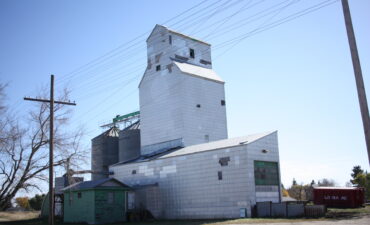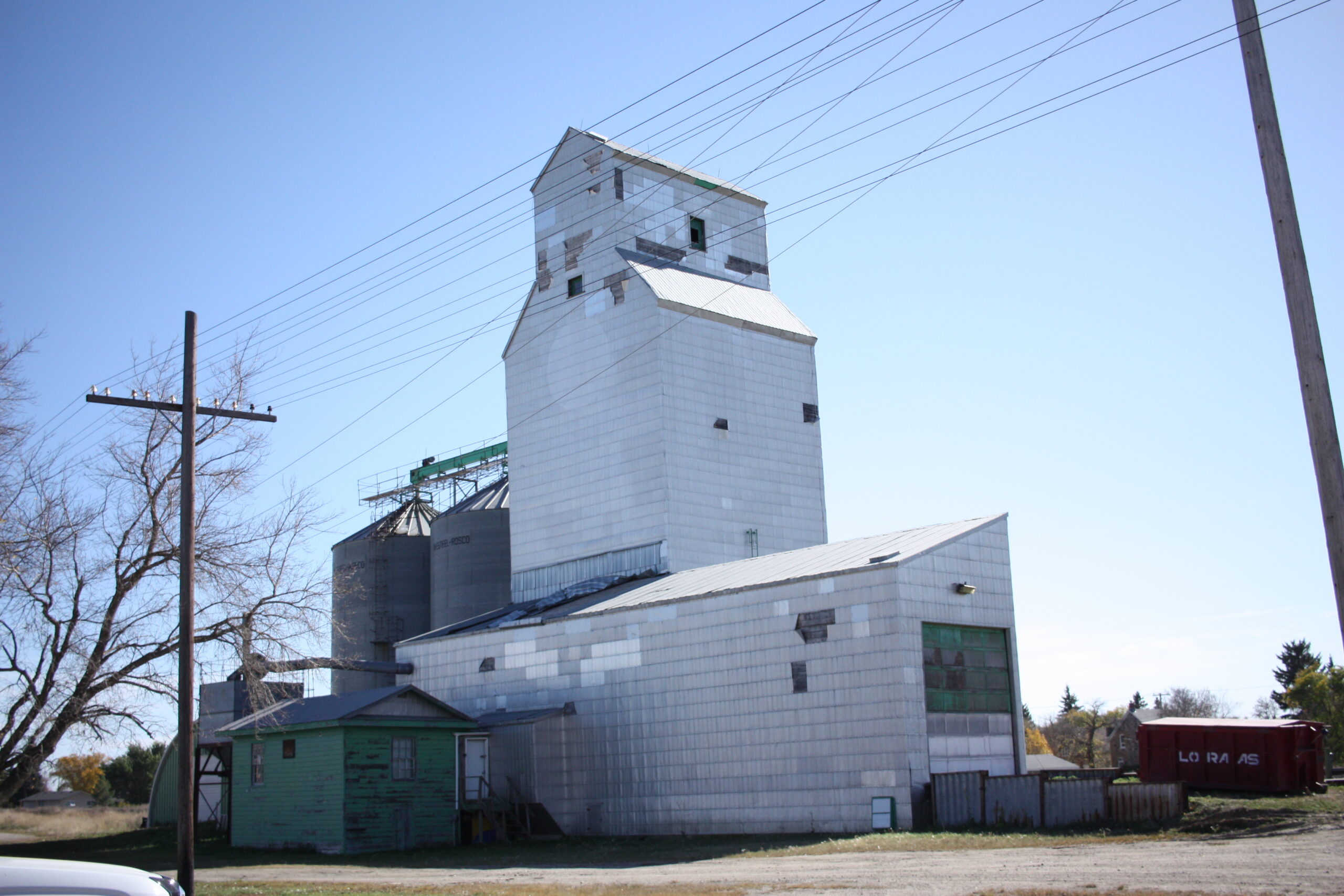
After many years of use, the neglected grain elevator is slated for demolition in the coming months- changing the look of Front Street and the town of Wolseley forever.
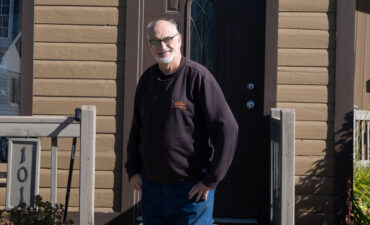
“We’ve sort of accepted that this is the natural progress, or anti-progress, that we were always going to lose these things,” said Steven Scriver, the town historian.
The old grey elevator on the east end of Front Street surveys the surrounding golden prairies, but time has not been kind to this relic.
Siding panels have been pulled away by the wind, a section the roof has caved in, and a garbage bin sits in the dock where trucks used to load and unload grain.
“They’ve let it deteriorate to the point where it definitely needs to be maintained or repaired and they’re choosing to remove it,” said Wolseley Mayor Gerald Hill.
Wolseley has a long history in agriculture dating back to its first flour mill built by the towns founding mayor, Robert Armstrong Magee.
“Mills and creameries, that was a real thing in Saskatchewan, I believe there were eleven [elevators] here at one time,” said Scriver.
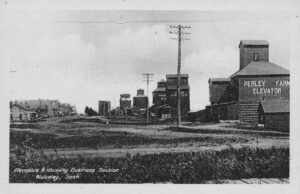
‘Elevator Row’ used with permission of Town of Wolseley Archive
From being a bustling agricultural hub with a thriving ‘elevator row’ in the early 1900s to having only one grain elevator still in use, the town continues to change.
So does the farming industry- many farms have moved from storing grain in traditional wooden elevators which have a capacity of 25,000 to 75,000 bushels, to moving grain through larger modern concrete elevators which can hold between 300,000 to 3 million bushels.
“I think the majority in the area go to Grenfell, Indian head, and the Glenavon area,” said Mayor Hill.
The two remaining elevators are now owned by Nutrasun Foods LTD, an affiliate of Paterson GlobalFoods- who did not immediately respond to a request for comment.
“Hopefully they maintain the other one to the point that where it can have many many years of life, but unfortunately it is what it is – it’s the reality of the situation,” said Hill.
There is still uncertainty regarding what will become of the lot where the east elevator currently stands.
“As far as we know it’ll still be retained by the current owners,” said Hill,
“Once they take the facility down, it’s got to be safe and basically- it’ll likely end up being a parking lot.”
For now, the town retains its one working elevator with grain trucks and railcars hauling grain to the site and then onto the NutraSun mill in Regina.
“It’s [capacity] is significantly diminished, I think they use it as an overflow or something to that effect. They are loading cars there, they are unloading cars there,” said Hill.
While the elevators serve their purpose of storing and loading grain, losing them has significance for the locals who have grown up in the shadow of these hulking buildings.
“It’s a little disheartening to see it come down, because that’s part of the rural community identity is the elevators, but we understand why,” said Hill.
“We’re part of a system that puts profit first and that doesn’t seem to be going to change anytime in the near future, so we lose these things and we watch them go and we wave goodbye. Little people don’t get to do a lot of significant things, we don’t get to stop the big steamroller that is progress… A bit powerless is how you feel, but also I’m 80 years old, do I need to be starting a new career in saving this (elevator),” said Steven Scriver.