Wolseley, a small town in Saskatchewan has a population of 852 residents and a hospital that operates on limited hours.
With only 30 hospital staff, the town struggles to balance the emergency medical needs of its community with limited staffing and need for available housing.
The Wolseley Memorial Integrated Care Centre (WMICC) operates from 7 a.m. to 7 p.m. and closes during the weekend, creating challenges for residents who require emergency medical attention outside these hours.
Access to medical emergency care depends on hospital operating hours, and nearby ambulance availability.
When there is a need for urgent medical-care, WMICC sends their patients to hospitals in Grenfell, Indian Head or Regina.
Wolseley residents rely on their close community for transportation during medical emergencies that occur outside WMICC operating hours.
The reduced hours are a result of the staff shortage which worsened during the COVID-19 pandemic. Restoring their 24-hour service is difficult in a rural area.
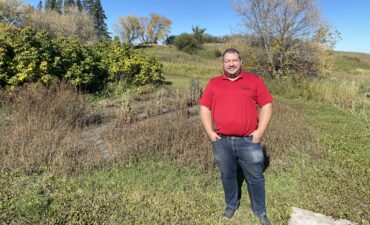
Kim Baran, a unit clerk and emergency responder at WMICC, welcomes the idea of restoring 24-hour medical-care service, but attracting medical staff to small town communities is a challenge.
“It’d be nice to have this 24-hours,” Baran said.
Baran said attracting medical-care workers requires action towards building more homes and apartments.
“We don’t have anybody that’s going to be building homes or apartments or anything,” she said.
With the growing community, the housing shortage and lack of rentable homes became a concern to Mayor Gerald Hill, as it makes it more difficult to recruit and maintain employees.
“Housing goes hand in hand with the ability to have employees, they’re only there for a certain period of time, and with no housing here, that means that people have to drive,” Hill said.
The town is working with its community development coordinators, with plans of a potential multi-unit housing project to address housing shortages.
When the emergency service is closed, ambulance services from Grenfell are the primary responders to emergency calls from Wolseley; if there are no available ambulances, another nearby community may respond.
Baran recalled situations where patients would have to wait an hour for an ambulance. Responses for more urgent cases are often faster, she said.
For patients who are being transferred, Wolseley has a volunteer emergency response team who provide initial care while waiting for an ambulance to arrive.
Baran said the team consists of seven volunteers, which includes herself and six other volunteers.
They provide patients with spine boards, assessments, and vitals so by the time the ambulances arrive, the patient is prepared.
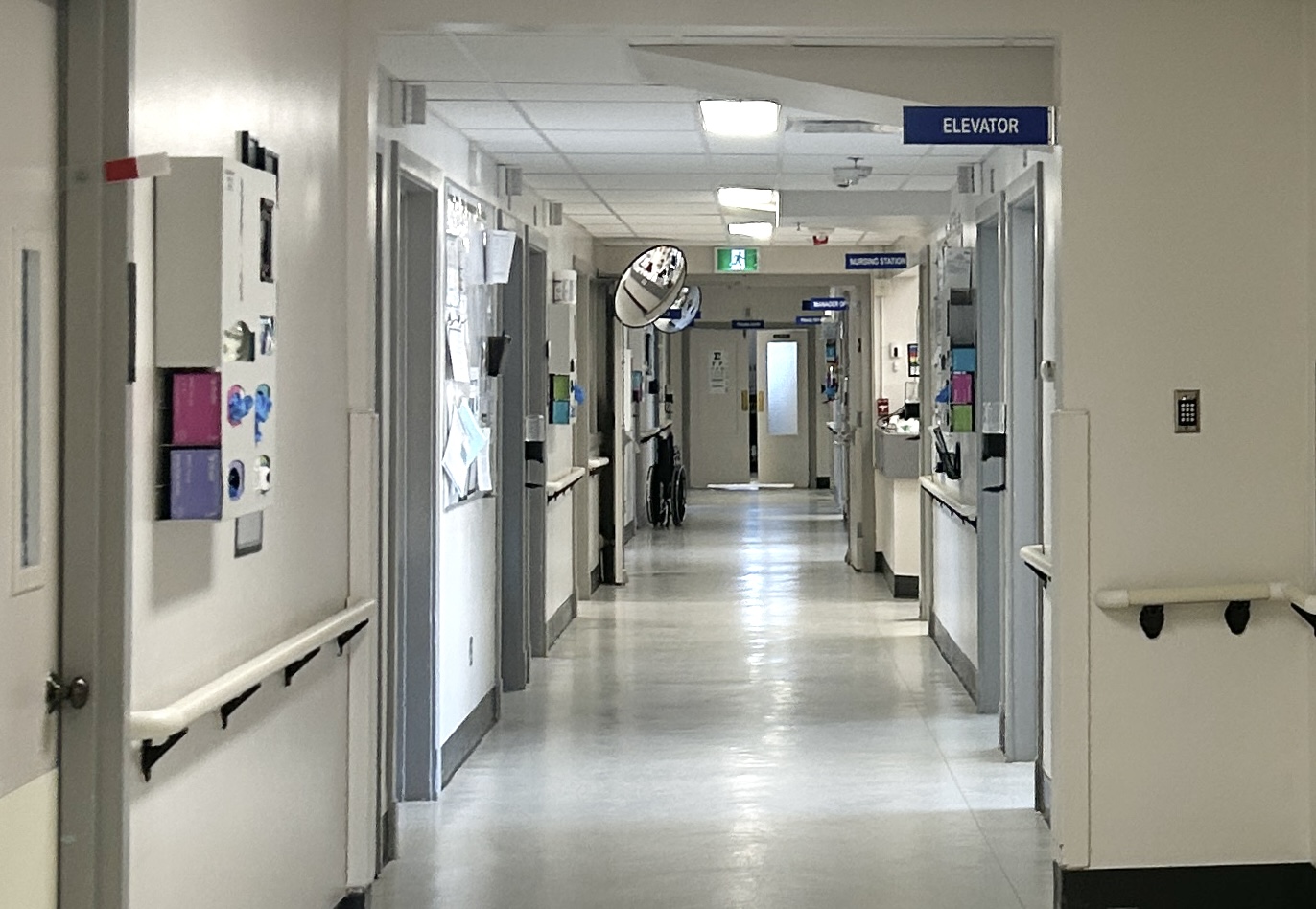
Although the hospital has limited operation hours, nurses continue to care for patients on a 24-hour basis in the hospital’s continuing care unit.
For many residents, living in Wolseley is to accept that emergency medical-care won’t always be available in town.
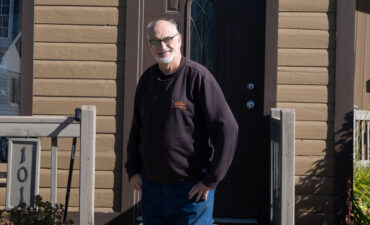
Stephen Scriver, the town’s archivist, who returned to Wolseley in 2011 recalled a time where he had a bicycle incident and had to get a ride to Indian Head by a friend.
Scriver said that although the town is working towards bringing back 24-hour medical-care service, residents have come to accept the town’s limits of emergency medical-care access.
“I know that we’re not going to get frontline medical help, you just get used to that idea,” Scriver said.
Living in a small town can come with compromises. Improving access to emergency medical-care would also require addressing the community’s housing and medical staffing shortages.